Digital Twins Studies at the US National Academies and Elsewhere
Over the past few months, the US National Academies has launched a study of so-called "digital twins" and their applications in a wide variety of fields; they seem to be particularly interested not just in applications, but in the fundamental science that underlies digital twinning technology.
The basic idea of digital twins is that one comes up with a very detailed digital model of a well-instrumented physical system (think of a jet engine, or a factory production line, or even an organization, or a city); you feed telemetry from the physical system into the digital model, and then the digital model simulates the physical system and makes predictions, which can be checked against and used to help manage the physical system. These are gaining interest around the world in a very wide range of contexts.
For information on the National Academies study, see
Foundational Research Gaps and Future Directions for Digital Twins
Digital twins promise to revolutionize decision-making across domains, from helping doctors develop personalized treatment plans to optimizing city-wide transportation systems. But there are still challenges to overcome before the full potential of these technologies can be realized. This project explores future directions for digital twin technologies—and how to support this emerging field. Read our recent report, register for upcoming events, and download new resources below. View the related ...
which includes pointers to recordings of three symposia held in January-February 2023 covering Biomedical Sciences; Atmospheric, Climate and Sustainability Sciences; and Engineering (all of which are very interesting viewing). The National Academies also held a separate symposium (under the auspices of the Intelligence Communities Studies Board) covering Digital Twinning and National Security; information on this session and a link to the recording are here:
ICSB Colloquia
Digital Twins are transforming how knowledge is generated and used. A Digital Twin is a set of virtual information constructs that fully describes a potential or actual physical object, process, or system. They are used in products, systems, and processes before and after their development, creating a means for determining the feasibility of production and modes of failure. Developments in computing power, artificial intelligence, and big data are enabling replication of large complex systems wi...
The National Institutes of Standards and Technology (NIST) have also been doing work in this area; see for example:
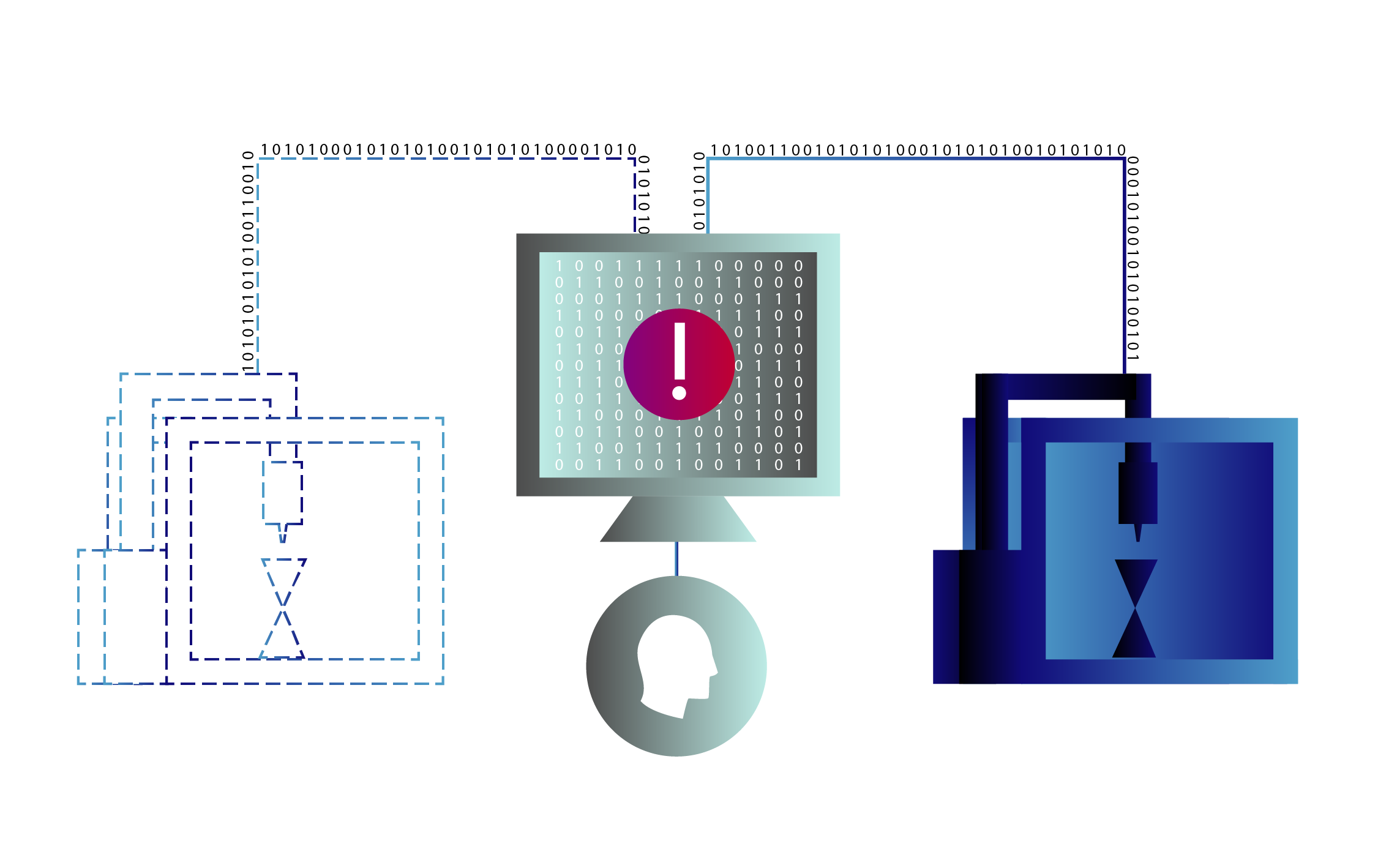
How Digital Twins Could Protect Manufacturers From Cyberattacks | NIST
Detailed virtual copies of physical objects are opening doors for better products across automotive, health care, aerospace and other industries.
(this also includes a helpful high level view of digital twins technology).
Finally, note that in the United Kingdom, the Turing Institute has also launched a significant program in this area. See
https://www.turing.ac.uk/news/turing-launches-pioneering-new-digital-twins-initiativeand
https://www.turing.ac.uk/research/harnessing-power-digital-twins/turing-research-and-innovation-cluster-digital-twinsClifford Lynch Director, CNi


